

INSIGHTS
The Haaland Effect: What a 25-Year-Old Viking Taught Us About Selling
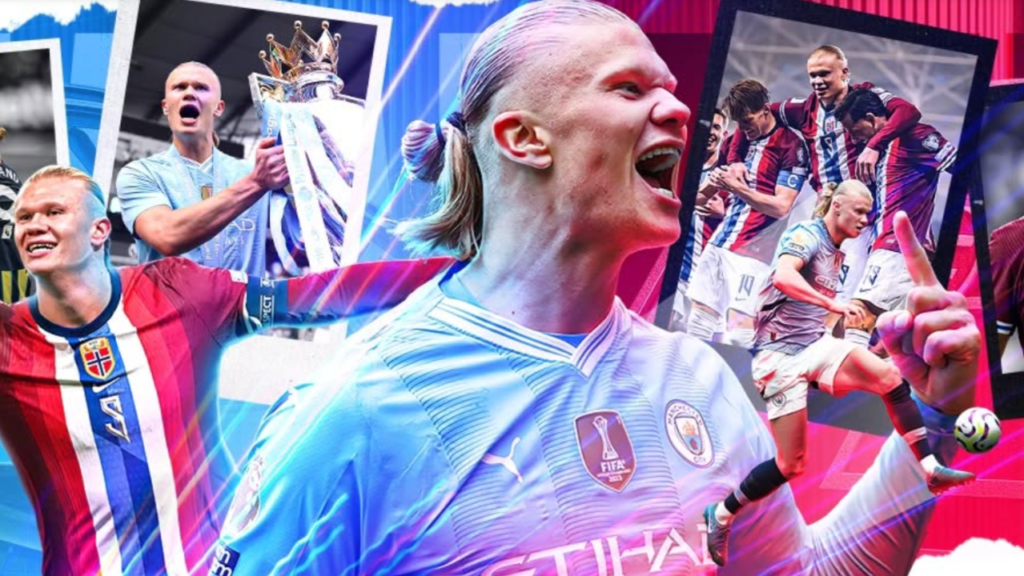
Norway hadn’t qualified for a World Cup in 28 years. Their entire 26-man roster had zero experience at a major tournament. And yet, over the last month, they beat Brazil, made history reaching their first-ever quarterfinal, and did it all behind a 25-year-old who looks like he’s having more fun than anyone else on the planet.
Erling Haaland isn’t just scoring goals (seven of them, tied for the tournament’s Golden Boot race). AND, by the way, in the history of Norway’s World Cup appearances, up until THIS World Cup, they’d had seven goals in their entire World Cup history…until now!
The reason this kid has made such an impression on me, and let’s face it, the entire world, is the fact that he’s come on the scene doing what he does best, with a loose, joyful, almost goofy energy that stands in total contrast to the white-knuckle intensity you’d expect from a team playing for its country’s football legacy. His attitude is infectious, and it should be!
That said, I can’t stop thinking about how we can apply the Haaland factor to the art of sales.
Here’s the correlation.

# 1. You can’t close what you don’t build
Before Norway ever kicked a ball at the World Cup, they had to qualify, and they didn’t just squeak in. They went 8-0 in qualifying, beat Italy twice, and scored 37 goals while conceding only 5.
That’s not luck. That’s pipeline. That’s the unglamorous, repetitive work of showing up match after match before the “real” tournament even starts.
The sales parallel: nobody sees your qualifying round. Nobody claps for the 50 cold outreach emails, the discovery calls that go nowhere, the follow-ups that get ignored. But the reps who dominate the visible moments are almost always the ones who dominated the invisible ones first. Haaland’s World Cup heroics were bought and paid for months earlier, in matches most casual fans never watched.
# 2. Confidence isn’t the absence of pressure. It’s what you bring to it
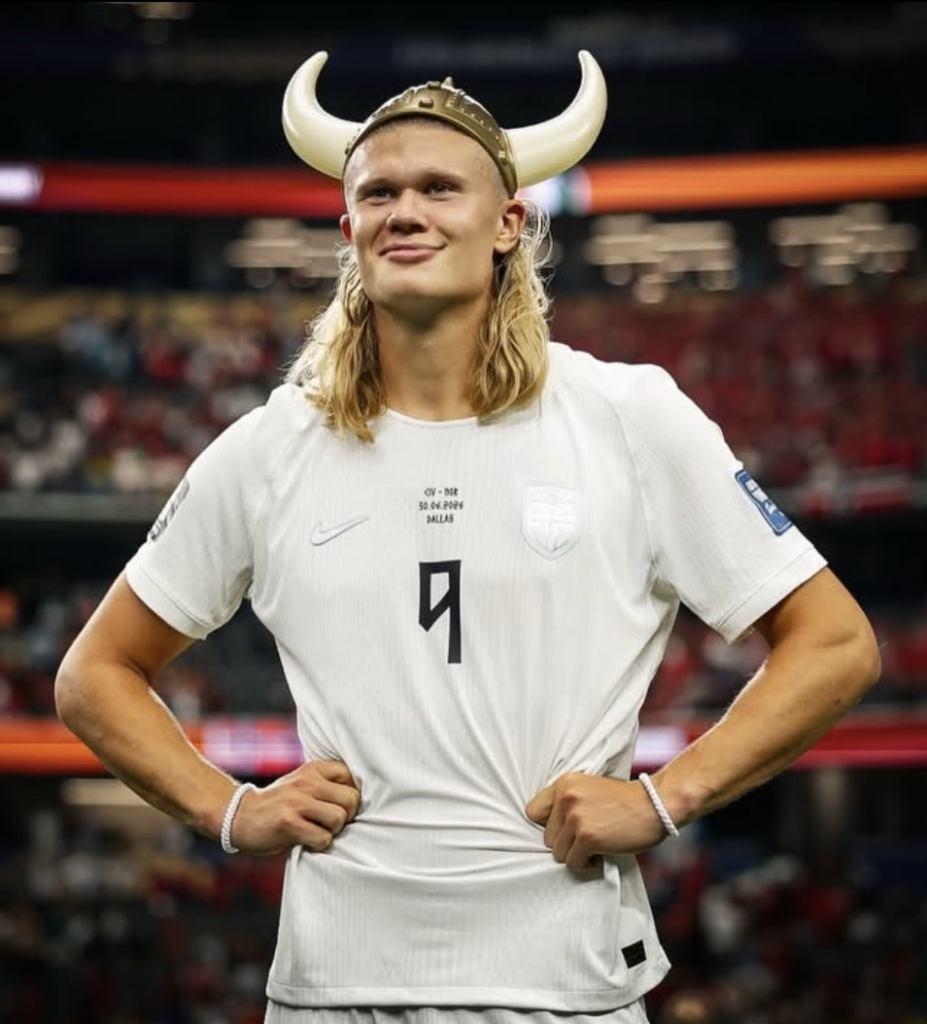
Haaland has talked about this directly: “I like the pressure. I would put a lot of pressure on Erling Haaland if I wasn’t Erling Haaland myself.” He’s not pretending the stakes aren’t real. He’s choosing to meet them with belief instead of tension.
The sales parallel: the best closers I’ve watched don’t walk into a big pitch (pun intended!) pretending it doesn’t matter. They walk in, having decided ahead of time that pressure is fuel, not a threat. Prospects can feel the difference between a rep who’s hoping not to mess up and a rep who’s excited to be in the room. Haaland’s sly-smile energy is as much a sales skill as a personality trait.
# 3. Losses happen, and they don’t get to define the story
Norway lost to France 4-1 in the group stage. They were just eliminated by England 2-1 in extra time, in a brutal, controversial quarterfinal that could have gone either way. A disallowed goal. A deflection off a camera wire. The margins were razor thin.
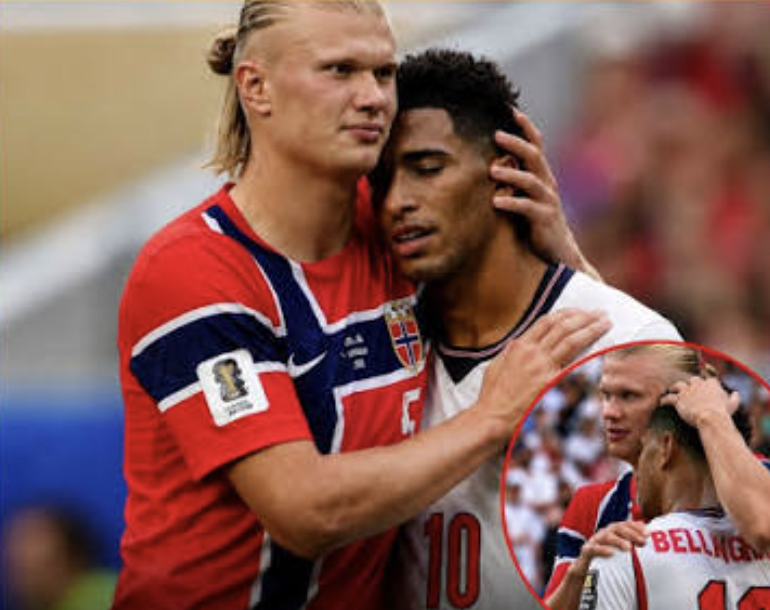
And yet nobody is remembering this World Cup as “the tournament Norway lost.” They’re remembering it as the tournament Norway arrived: the first time in 28 years, a historic win over five-time champions Brazil, a nation rediscovering belief in its team. And yet, there was joy in the loss. Haaland was genuinely happy for his English teammates and especially one of his best mates, Jude Bellingham. (Not saying you have to be happy for your competition when they snake a deal from you for the record!)
The sales parallel: you will lose deals on technicalities. You’ll lose deals where you did everything right and a coin flip went the other way. The reps who last aren’t the ones who never lose. They’re the ones who don’t let one loss rewrite the whole narrative of their year. Haaland’s postgame message after beating Brazil said it best: “No matter what happens next, nobody can ever take this feeling… away from us.” That’s the mindset that lets you walk into the next call clean.
# 4. When the moment comes, you have to actually take it
Against Brazil, the game was scoreless deep into the second half. Then, in an 11-minute window, Haaland scored twice: a header, then an unstoppable strike, and Norway had its signature win.
He didn’t force it early. He didn’t panic when nothing was happening. He waited for the opening, and then he took it, decisively, twice.
The sales parallel: most deals have a moment: the question that reveals the real pain, the objection that’s actually a buying signal, the pause where the prospect is deciding whether to trust you. Great sellers don’t rush the whole call trying to manufacture that moment. They stay patient, stay present, and when it shows up, they close without hesitation. That’s the difference between activity and results.
# 5. Joy is a competitive advantage nobody else is using
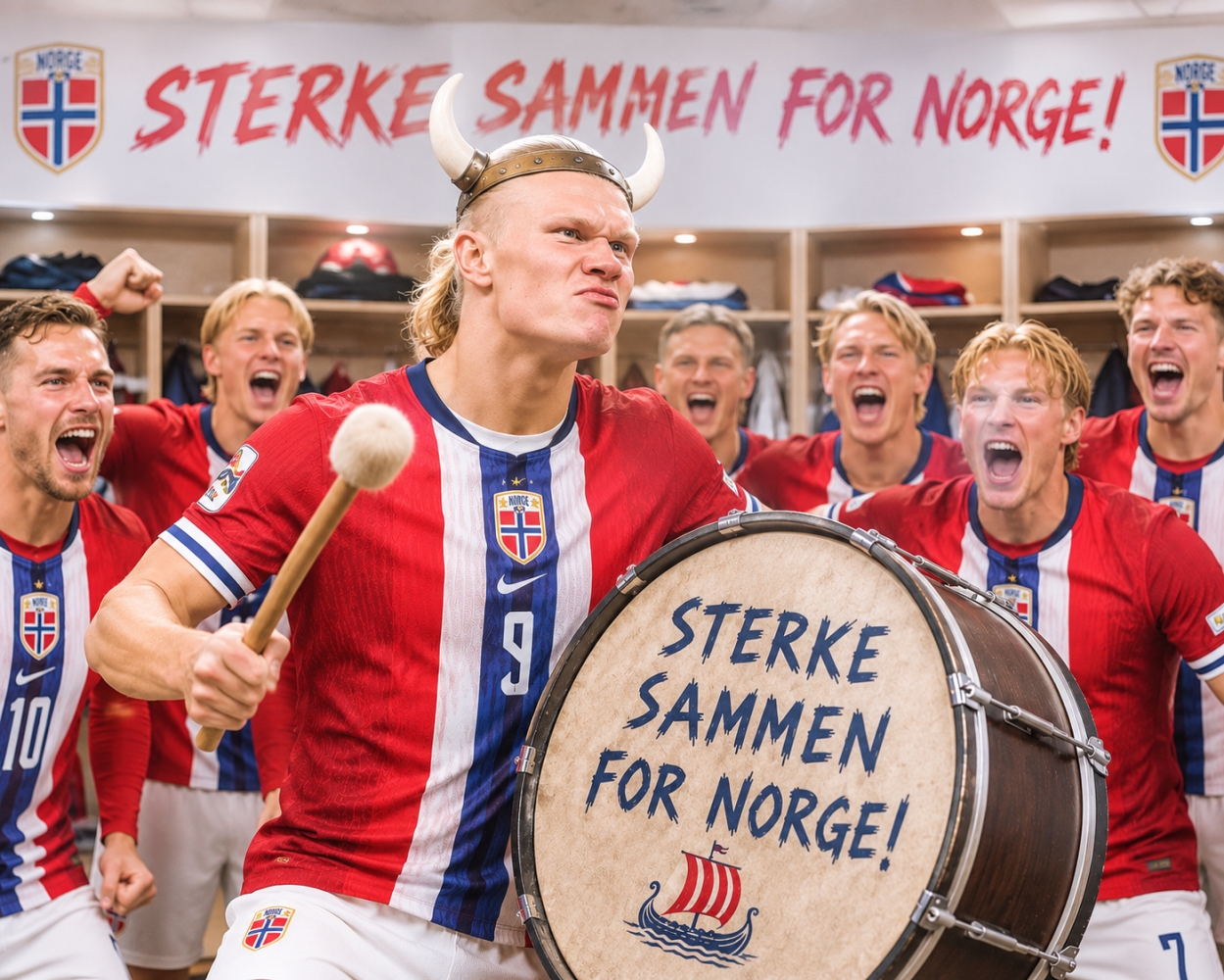
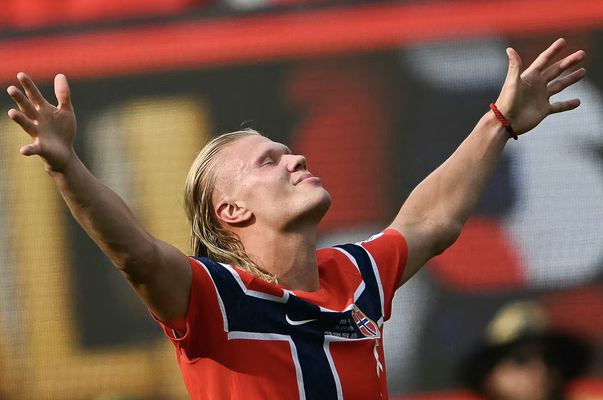
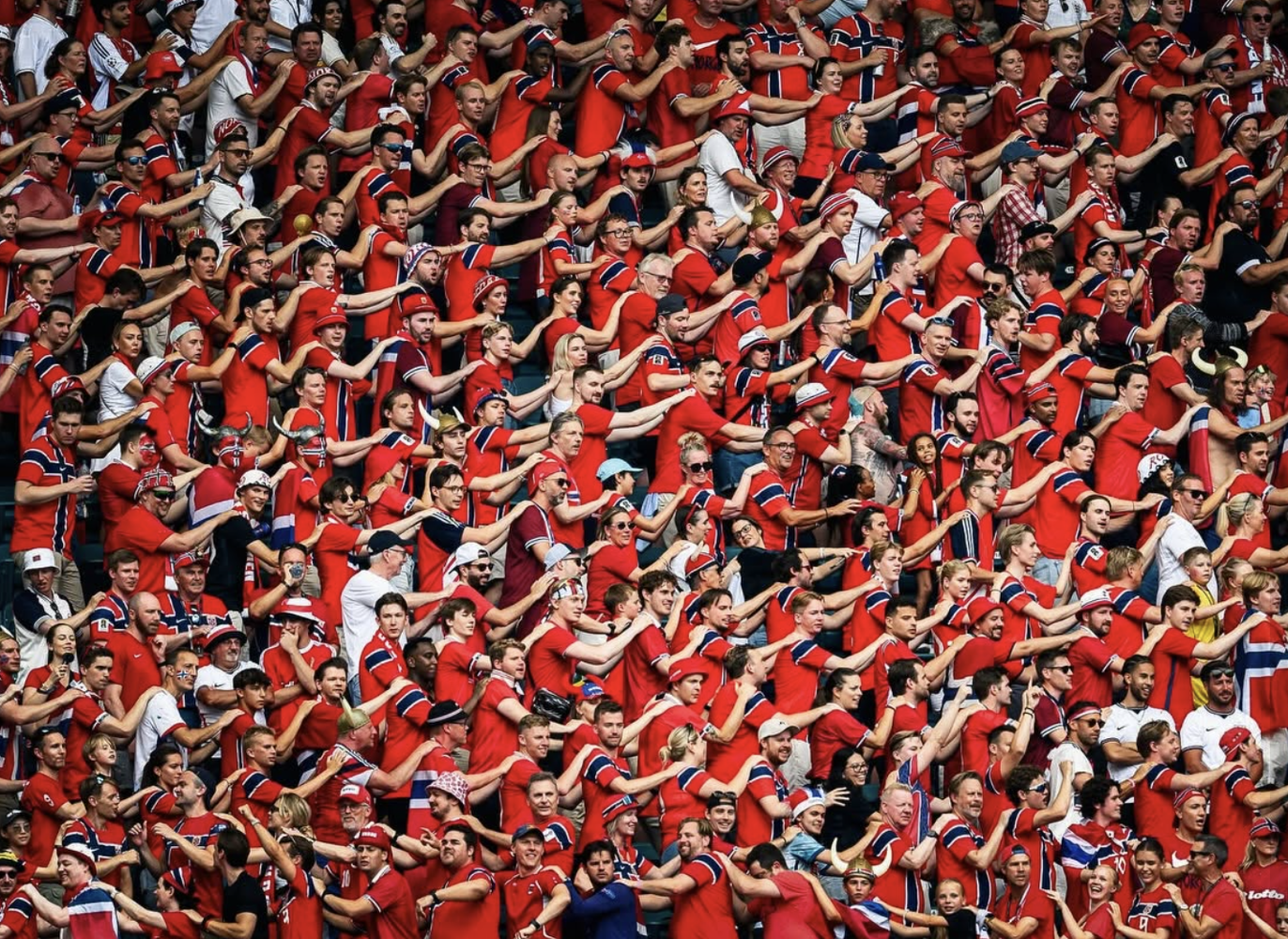
This is the part that started this whole newsletter for me: Haaland is having fun. The Viking row celebration. The playful, almost goofy social media persona. The visible, unguarded joy of a guy who dreamed about this since he was a kid and is now living it.
In a sport and an industry full of people performing seriousness as a proxy for competence, genuine joy stands out. It’s magnetic. It’s why teammates say things like “we’re all just happy that he’s Norwegian and that he’s playing for us.”
The sales parallel: buyers can tell when someone actually likes what they do. Enthusiasm isn’t a soft skill; it’s a differentiator in a sea of reps who all sound the same. You don’t have to perform intensity to be taken seriously. Sometimes the most disarming, trust-building thing you can do is just be visibly glad to be there.
The one-line takeaway
Build your pipeline like Norway built its qualifying run: relentlessly, before anyone’s watching. Then show up to the big moments as Haaland does. Loose, confident, ready to take the shot when it comes, and unbothered by the ones that don’t go in.