

INSIGHTS
THIS WEEK: The Art of the Subtle Close -
Negotiation Tactics That Work Without Anyone Noticing
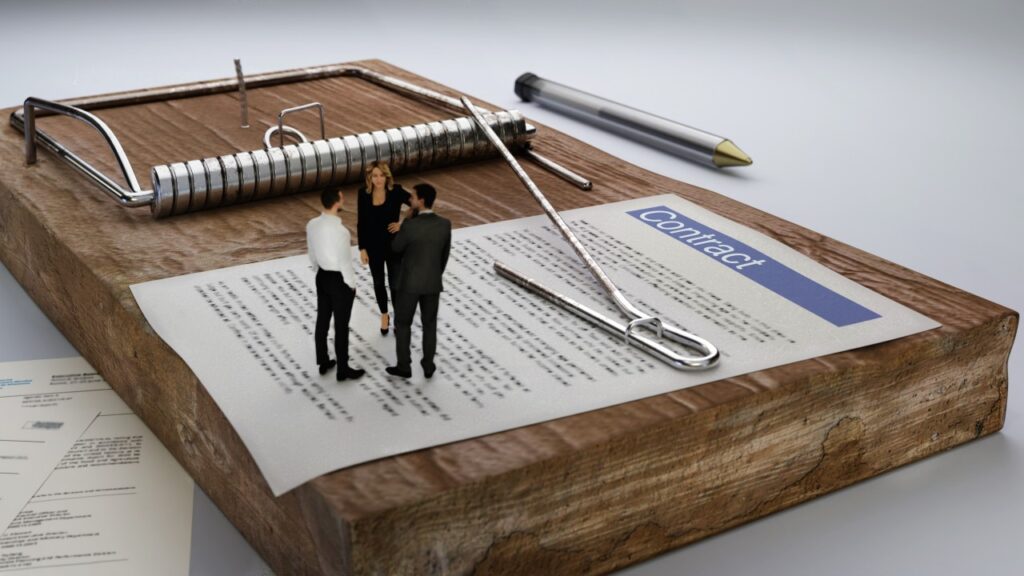
Most salespeople think negotiation is about who blinks first. The best ones know it’s about making the other person feel like they won – even when you did.
This week, we’re breaking down the subtle, psychology-backed tactics that top closers use every day. No hard sells. No pressure tactics. Just the quiet moves that tip deals in your favor.
1. The Strategic Pause
After you name your price, stop talking. Completely.
Most salespeople fill silence with justifications, discounts, or nervous chatter – all of which signal weakness. Silence, on the other hand, signals confidence. It puts the psychological burden of response on the buyer.
The discomfort you feel in those five seconds? They feel it too. And studies in behavioral economics consistently show that the party who breaks the silence first tends to concede ground. Train yourself to sit in it.
Try this: After presenting your number, close your mouth and count to seven in your head. You’ll be amazed how often the prospect fills the silence by talking themselves into the deal.

2. Anchoring – And the Counter-Anchor
Whoever sets the first number in a negotiation sets the gravitational center of the entire conversation. This is anchoring, and it’s one of the most well-documented effects in decision psychology.
If you let a buyer anchor low, you’ll spend the whole negotiation pulling toward a number that was never realistic. If you anchor first – and anchor high – you shift the entire range upward.
But here’s the subtle move most people miss: when a buyer throws out a low anchor, don’t react to it. Instead, reframe the conversation entirely before re-anchoring on your terms.
Example: Buyer says “We were thinking closer to $8,000.” Instead of countering with “$12,000,” say: “Let me make sure I understand what you’re trying to accomplish – because depending on the scope, we might be looking at this differently.” Then re-present the value before naming a number. You’ve neutralized their anchor without ever engaging it.
3. Labeling Emotions (Before They Derail You)
Borrowed from FBI hostage negotiation and popularized by Chris Voss, emotional labeling is the act of naming what you sense the other person is feeling – before it becomes an objection.
“It seems like you’re not fully convinced this is the right time.” “It sounds like budget is a real concern right now.”
This isn’t weakness – it’s precision. When people feel understood, their defenses drop. They stop performing resistance and start having an honest conversation. And honest conversations are where deals actually get made.
Labeling also gives you critical information. If your label is wrong, they’ll correct you – which means they’re now telling you what the real issue is.
The rule: Use “It seems like…” or “It sounds like…” – not “I feel like you’re…” The latter makes it about you. The former makes it about them.
4. Loss Framing Over Gain Framing
People are roughly twice as motivated to avoid a loss as they are to pursue an equivalent gain. This is prospect theory, and it’s foundational to subtle persuasion.
Most salespeople lead with what the buyer will gain. The subtler move is to lead with what they stand to lose by not acting.
Gain framing: “This platform will increase your team’s output by 30%.” Loss framing: “Every month without this, your team is leaving roughly 30% of their capacity on the table.”
Same data point. Completely different psychological weight.
Use both – but be strategic about when you deploy the loss frame. It’s most effective when a prospect is stalling, not when they’re already engaged and enthusiastic.

5. The Calibrated Question
Instead of making demands or countering directly, skilled negotiators ask questions that make the other party solve the problem for them.
These are called calibrated questions – open-ended, usually beginning with “how” or “what” – and they’re devastatingly effective because they feel collaborative rather than confrontational.
Instead of: “We can’t go below $15,000.” Try: “How would you suggest we make the numbers work at that level?”
Now they’re solving your problem. And whatever solution they propose will feel more legitimate to them because they came up with it.
Other powerful calibrated questions:
- “What would need to be true for this to move forward?”
- “How does this fit into your broader priorities right now?”
- “What’s your biggest concern about moving ahead?”
6. Strategic Concession Architecture
Amateurs make concessions randomly. Professionals choreograph them.
The pattern matters more than the amount. Here’s the principle: make concessions in decreasing increments, and slow down as you approach your floor. This signals that you’re approaching a real limit, not just stalling.
Bad concession pattern: $10K → $8K → $6K → $4K (signals you have much more room) Good concession pattern: $10K → $8K → $7K → $6,500 (signals you’re near your limit)
Also: never give a concession without getting something in return, even if it’s small. “I can work with you on price if you can commit to a 12-month term.” Every one-sided concession trains your buyer to keep pushing.

7. The “Flinch” – and How Not to Flinch
When a buyer hears your price and says “Wow, that’s a lot” or winces – that’s a flinch. It’s often theatrical. The question is: do you respond to it?
Inexperienced sellers immediately try to soften the blow. “Well, we do have some flexibility…” – and just like that, you’ve handed them 10% without them asking.
The counter-move is simple: treat the flinch as informational, not directional. Respond with empathy and curiosity, not retreat.
“It sounds like price is a concern – can you tell me more about where you’re coming from?”
Now you understand whether it’s a real constraint or a negotiating reflex. Usually it’s the latter.
8. The Late Ask
One of the most underused tactics in deal negotiation is asking for something small after the deal is essentially done – when the other party is in a cooperative, relieved mindset and agreement feels inevitable.
“Glad we’re aligned. One last thing – would it be possible to get a case study reference out of this engagement down the road?”
They’ve already mentally committed. The cost of this small ask is trivial compared to the emotional cost of reopening the negotiation. The yes rate is remarkably high.
Use this for: introductions, references, case studies, extended payment terms, or favorable contract language you didn’t want to fight for upfront.

THE BOTTOM LINE
Subtle negotiation isn’t manipulation – it’s emotional intelligence applied with precision. The best closers understand that deals are won or lost in the psychology of the conversation, not in the spreadsheet.
Master the pause. Anchor deliberately. Label what you sense. Frame around loss when it matters. Ask calibrated questions. Architect your concessions. Don’t flinch. And always keep one small ask in your back pocket.
The other party will leave the table feeling like they negotiated well. That’s exactly the point.